
Your Ads Will Perform Better If They Stop The Scroll

Let’s be real, in 2025 catching attention isn't optional… It's currency.
You could have the smartest offer or the prettiest creative, but if it doesn’t interrupt the scroll, you’ve already lost. In today’s attention economy, curiosity drives clicks. If your creative doesn’t spark it, your audience keeps moving.
This blog reveals the science (and psychology) behind scroll-stopping ads, why people pause, and how to translate that into videos, carousels, and static posts that actually convert.
Why Attention Is the New Currency
We live in the one-second era.
That’s all it takes for someone to decide whether your ad is worth their time or forget it ever existed.
According to research by Neurons Inco, the human brain starts reacting to an ad in just 200 milliseconds, and by the one-second mark, it’s already made up its mind⁽⁴⁾.
So if your creative doesn’t grab attention instantly, it never gets the chance to convert.
Attention has become the first conversion before the click, before the add-to-cart, before the sale. Your ad isn’t just competing with other brands,It’s competing with every scroll, swipe, and story on the feed.
What Actually Makes People Stop Scrolling
People don’t pause because your product’s great, they pause because something breaks the pattern.Our brains are wired to notice sudden change. We filter out most content automatically, so when something violates expectations, a flash of colour, a human face, a stat, or an emotional cue, it instantly commands attention⁽¹⁾⁽⁵⁾.
This is what we call a pattern break, and it’s the foundation of scroll-stopping creative. People crave novelty, the brain’s reward system releases dopamine when it detects something unexpected, especially when it feels positive or relevant⁽⁵⁾.
What works: Use high-contrast colours, clear composition, and one striking focal point. Anything that looks slightly out of place in a feed, like an unusual texture, facial expression, or witty headline forces the thumb to pause.
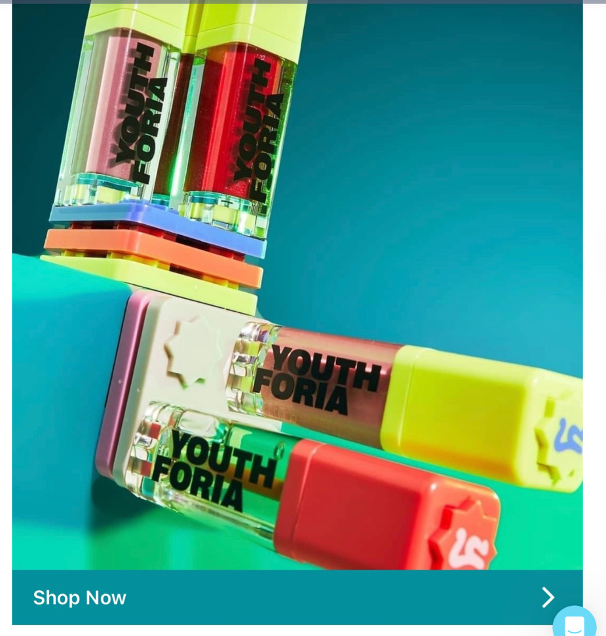
What works here: Bold colour palette & spotlight on the products
The 3-Second Rule: Hook or Lose Them
Once you’ve caught the eye, you’ve got three seconds to make them stay Miss that window, and they’ll scroll straight past you. That’s where your hook matters, the first frame, headline, or image that sparks emotion or curiosity.
What good hooks do?
- Spark curiosity (“What happened when we stopped running ads for a month?”)
- Promise value (“How to triple your ROAS in three minutes.”)
- Trigger emotion (humour, nostalgia, surprise, FOMO)
What works: It should open with a question, stat, or emotion that feels organic, not like a traditional ad. Keep it short and intriguing just enough to spark curiosity and make someone stop scrolling before they even realise it’s an ad.
How to Execute Scroll-Stopping Creative
Video Ads:
Digital attention is shrinking fast. In one study, 67 % of all mobile ads were noticed within 400 milliseconds, and by one second, most emotional responses had already formed⁽⁴⁾. To make your video stand out, your first frame has to earn the viewer’s focus before they can scroll away.
Here’s how:
- Show action right away. Something has to move in the first second, a person walking, a product opening, water pouring, fabric twisting. Movement catches the eye faster than any static logo.
- Skip the intro logo or title slide. People don’t wait for branding; they decide in seconds whether to stay. Bring your logo in later, once they’re already hooked.
- Make it feel natural. “Low-fi” means it looks like something a real person filmed on their phone,handheld, authentic, less polished. Audiences trust content that feels real, not overly produced.
- Put a face on screen. Humans are wired to notice faces first⁽⁴⁾. A smile, expression, or reaction instantly builds connection and stops the scroll.
- Use sound or rhythm changes. A sudden beat, voice line, or sound effect resets attention. Our brains notice anything that breaks an expected pattern.
How to apply it: show something happening, a person unboxing, a quick transformation, or an expressive reaction, before your brand appears. That instant movement plus human emotion gives people a reason to stay past the first second.
Case Study: Old Spice, “The Man Your Man Could Smell Like”

Old Spice turned a simple body wash ad into one of the most memorable campaigns of the decade by breaking every expectation. Instead of listing product benefits, it sold a feeling; confidence, humour, and self-awareness.
The ad opens with a bold, direct address “Hello, ladies” instantly flipping the target audience and creating curiosity. From there, it keeps the viewer hooked through fast scene changes, exaggerated humour, and constant unpredictability. Every second offers something new for the brain to process, exactly what keeps attention locked.
Why it worked:
- Instant hook: unexpected opening that breaks the pattern of normal product ads.
- Constant novelty: rapid transitions and absurd humour prevent attention drop-off.
- Emotional connection: confidence and comedy make the brand feel human and unforgettable.
- Clear identity: it didn’t just sell soap, it sold a personality.
Photo Ads:
Users form an impression in 50 milliseconds⁽¹⁾, that’s all the time a static post has to earn a glance. Your design needs to tell the story instantly, even without words.
Here’s how:
- Use contrast. Bold colours or light-dark differences make your post stand out from muted feeds
- Focus on one thing. Pick a single hero element,a face, product, or texture and let everything else support it.
- Simplify the layout. Too many words or overlapping graphics confuse the eye. White space is your friend.
- Show people. Faces, hands, or real-life context make your ad feel human⁽⁴⁾. Position smartly. Avoid placing logos or CTAs in the lower-right “corner of death,” where almost no one looks⁽⁴⁾.
How to apply it: build your photo ad like a magazine cover, clean composition, clear focal point, and strong contrast that instantly communicates what’s important.
Case Study: Patagonia “Don’t Buy This Jacket”
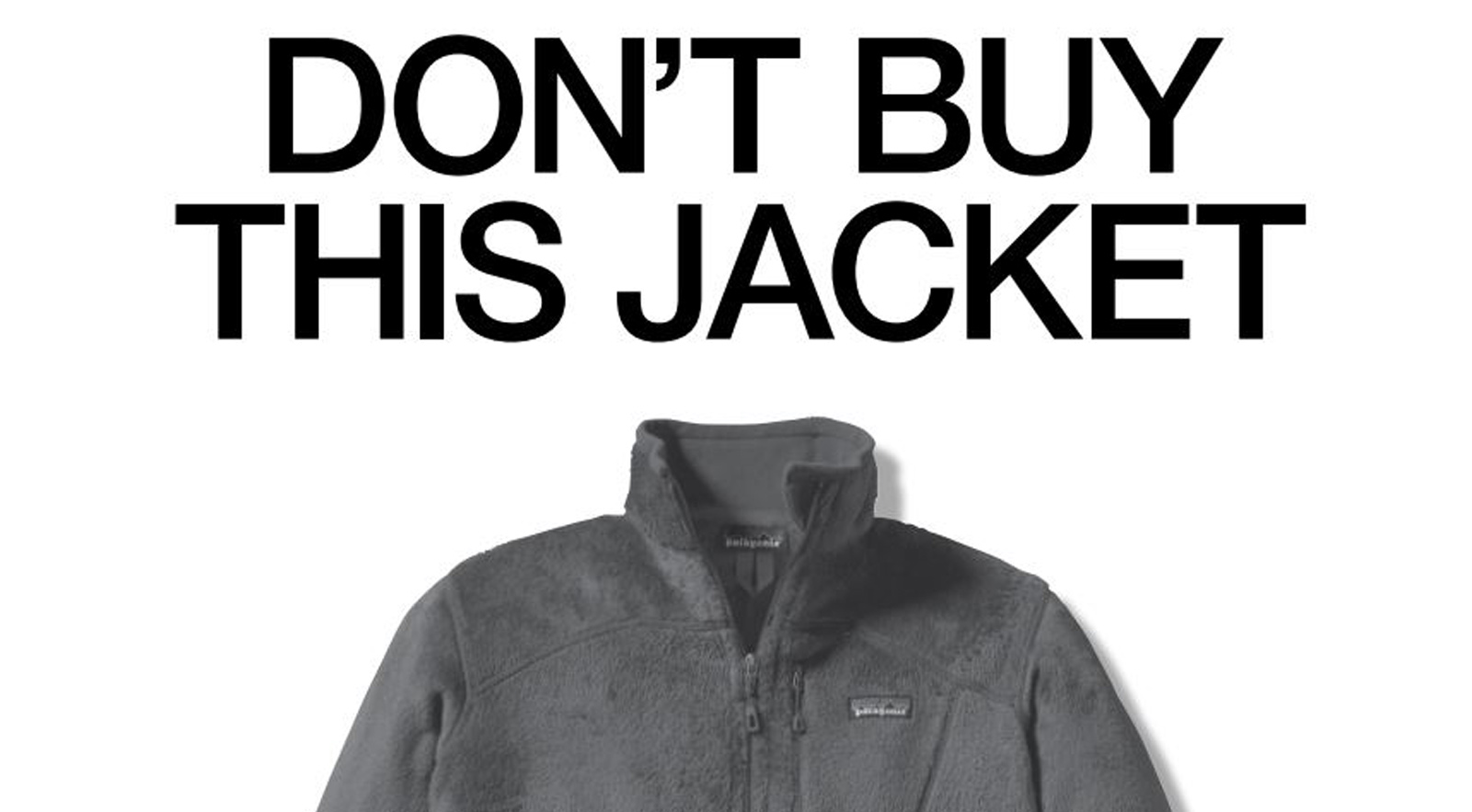
Patagonia broke every rule, instead of pushing sales, it told consumers not to buy. The simplicity worked, one image, one message, complete contrast to the noise around it. It sparked curiosity, emotion, and trust all at once. Patagonia proved that a static image can stop the scroll when it challenges expectation and communicates a deeper story in a single glance.
Carousel Ads:
Carousels give you space to say more, but every swipe has to feel worth it. The best ones tell quick, emotional stories that reveal something new on each slide⁽²⁾.
Here’s how:
- Hook them on slide one. Start with a visual or question that immediately makes people want to see what’s next.
- Set up the problem. The next slide should reveal a relatable moment, pain point, or challenge your audience recognises.
- Show the solution. Gradually reveal your product or idea as the fix.
- Close strong. End with a clear takeaway or a satisfying “aha” moment, whether that’s a tip, stat, or CTA.
How to apply it: think of your carousel like a short story, Each slide should earn the next swipe through emotion, surprise, or value.
That’s the science behind scroll-stopping creative. Attention isn’t luck. It’s design. Make your consumer pause, make them feel something, and you’ve already won half the battle.
Sources
- Hex Digital (2024) – Is Advertising on Reddit Worth It?
- Medium (2024) – The Rise of Reddit
- Hex Digital (2024) – Reddit Ads & The Post-Cookie World
- Hex Digital (2024) – User Engagement Stats
- Marketing Nerd (2024) – Reddit Ads Review
- Hex Digital (2024) – Ad Creative Testing on Reddit
- Marketing Nerd (2024) – Setting Up Reddit Ads